































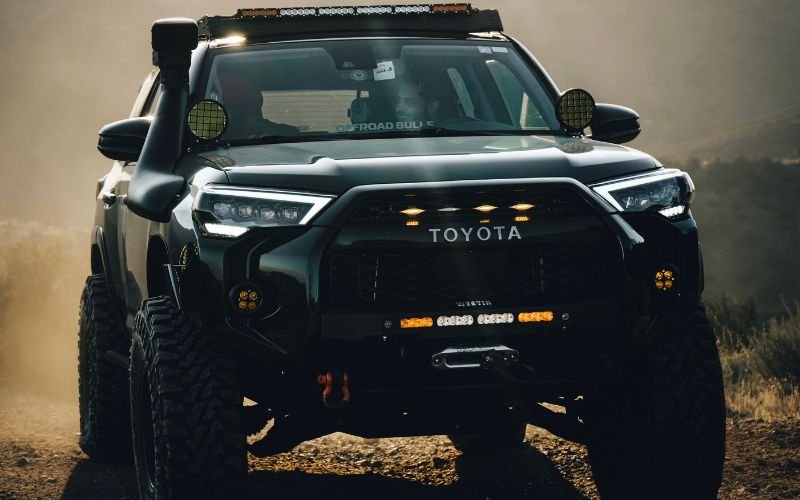

Drivers often choose all-wheel drive when they want more confidence on wet roads, snowy streets, loose surfaces, or steep routes. Toyota now offers AWD across several vehicle types, so buyers are no longer limited to large SUVs.The current range of All Wheel Drive Toyota vehicles includes compact crossovers, three-row family SUVs, hybrid cars, performance models, and the Sienna minivan. Models such as the Camry, Corolla Hybrid, Prius, Toyota Crown, Corolla Cross, RAV4, Highlander, Grand Highlander, Crown Signia, and Sienna are available with AWD or include it as standard on selected trims.However, the right model depends on more than drivetrain. Buyers should also compare passenger space, fuel economy, cargo capacity, purchase price, ground clearance, and the driving they do most often.This guide explains the main Toyota AWD options and helps you decide which model may fit your needs.
What Are All Wheel Drive Toyota Vehicles?
An all-wheel-drive vehicle can deliver power to both the front and rear wheels when additional grip is needed. This can improve traction when accelerating on rain-covered roads, snow, gravel, or other low-grip surfaces.Toyota uses different AWD systems depending on the vehicle and powertrain. Some gas-powered SUVs use Dynamic Torque Control AWD, while many Toyota hybrids use Electronic On-Demand All-Wheel Drive. Hybrid systems can use a separate electric motor to power the rear wheels when the vehicle detects that extra traction is required.
Not every AWD system operates in the same way. Some engage the rear wheels only when needed, while performance-focused systems may distribute power more actively for handling and acceleration. The Toyota Crown, for example, is sold exclusively with AWD, while the GR Corolla uses Toyota’s performance-focused GR-FOUR AWD system.AWD should also not be confused with traditional four-wheel drive. Toyota models such as the 4Runner, Tacoma, Tundra, Land Cruiser, and Sequoia are commonly associated with truck-based 4WD systems designed for towing, trails, and more demanding off-road use.
For most everyday buyers, AWD is useful because it operates automatically. Drivers normally do not need to switch it on every time road conditions change.
The main reasons buyers consider All Wheel Drive Toyota vehicles include:
- Additional traction in rain and snow
- Better confidence on slippery hills
- Improved grip when accelerating
- More stability on gravel or loose roads
- A wider choice of hybrid AWD models
- Automatic operation without manual engagement
AWD does add weight, complexity, and sometimes a small fuel-economy penalty. Buyers should therefore choose it because it supports their real driving conditions rather than simply because it is available.
Best Toyota SUVs with All Wheel Drive
Toyota offers AWD across several crossover and SUV sizes. The best option depends on whether you need an affordable compact vehicle, a daily family SUV, or a spacious three-row model.
Toyota Corolla Cross
The Corolla Cross is one of Toyota’s smallest AWD crossovers. It suits buyers who want easier parking, practical cargo space, and a higher driving position without moving into a large SUV.Gas-powered 2026 Corolla Cross models are available with either front-wheel drive or AWD. Corolla Cross Hybrid models come with standard Electronic On-Demand AWD across the S, SE, and XSE grades.
The Corolla Cross may be a good choice for:
- City drivers who want compact dimensions
- Small families
- Buyers moving from a sedan to an SUV
- Commuters who want a hybrid AWD option
- Drivers who do not need three rows of seats
Toyota RAV4
The RAV4 is a strong all-around choice for buyers who want more passenger and cargo room than the Corolla Cross without purchasing a large SUV.The redesigned 2026 RAV4 uses a hybrid powertrain and is available in both front-wheel-drive and AWD configurations. Toyota also offers the RAV4 Plug-in Hybrid with standard AWD.
The RAV4 is likely to suit drivers who need:
- Comfortable everyday transportation
- Useful cargo space
- Available AWD
- Hybrid fuel efficiency
- Higher ground clearance than a sedan
- A balance between city use and weekend travel
For buyers who can regularly charge at home or work, the RAV4 Plug-in Hybrid adds electric-only driving capability while keeping a gasoline engine for longer journeys. Its AWD system is standard and automatically adjusts power to support traction.
Toyota Highlander
The Highlander is designed for buyers who need three-row seating but do not want the size of Toyota’s largest SUVs.For 2026, Toyota made AWD standard across the Highlander lineup. Gas models use a turbocharged engine, while Highlander Hybrid models use Electronic On-Demand AWD.
The Highlander may work well for:
- Families that occasionally use a third row
- Drivers who carry several passengers
- Buyers who want AWD as standard
- Owners who need more room than a RAV4
- Shoppers choosing between gas and hybrid power
Before purchasing, adults should sit in the third row during the test drive. A vehicle may technically offer seven or eight seats, but legroom and cargo space can vary when every seat is occupied.
Toyota Grand Highlander
The Grand Highlander provides more passenger and cargo room than the standard Highlander. It is aimed at families who expect to use the third row more regularly.Toyota offers different AWD systems depending on the powertrain. Gas models can be equipped with Dynamic Torque Control AWD, hybrid models offer Electronic On-Demand AWD, and the more powerful Hybrid MAX version includes full-time electronic AWD as standard.
The Grand Highlander is worth considering when you need:
- A more usable third row
- Extra cargo room
- Gas, hybrid, and performance-hybrid choices
- Available or standard AWD
- A family vehicle for longer journeys
Its larger size can make parking and city driving more difficult, so buyers should compare its dimensions with their garage, driveway, and normal parking spaces.
Toyota Crown Signia
The Crown Signia combines SUV practicality with a more premium, wagon-like design. It uses a hybrid powertrain and Electronic On-Demand AWD. Toyota lists up to 68.8 cubic feet of cargo capacity with the second-row seats folded.
It may appeal to buyers who want:
- Standard hybrid performance
- AWD capability
- A refined interior
- Two-row seating
- More cargo room than a sedan
- An alternative to a traditional box-shaped SUV
Toyota Sienna
The Sienna is a minivan rather than an SUV, but it is an important option for families comparing All Wheel Drive Toyota vehicles.The 2026 Sienna uses a hybrid powertrain. AWD is standard on the Woodland Edition and Platinum, while other grades can be selected with front-wheel drive or AWD.For buyers who prioritize sliding doors, flexible seating, passenger access, and family practicality, the Sienna may be more useful than a similarly priced three-row SUV.
Toyota Sedans and Hybrids with AWD Options
Toyota’s AWD lineup is not limited to SUVs. Several cars offer AWD for drivers who prefer a lower seating position, easier handling, or better fuel economy.
Toyota Camry
The 2026 Camry uses an all-hybrid powertrain and offers Electronic On-Demand AWD across its available grades. Toyota states that AWD versions use a dedicated rear electric motor to provide additional power to the rear wheels when needed.
The Camry AWD may suit buyers who want:
- Sedan comfort
- Hybrid fuel economy
- Available AWD
- Good rear passenger space
- A lower driving position than an SUV
It is a practical option for commuters who want extra bad-weather traction but do not need SUV cargo capacity or ground clearance.
Toyota Corolla Hybrid
AWD is available on selected Corolla Hybrid trims. For 2026, the LE AWD and SE AWD are included in the Corolla Hybrid range.The Corolla Hybrid AWD may be a suitable entry point for buyers who want a compact, fuel-conscious car with additional traction. However, the regular gas Corolla should not automatically be assumed to include AWD. Buyers should check the exact powertrain and trim before ordering.
Toyota Prius
The 2026 Prius offers Electronic On-Demand AWD across its trim range. AWD models use a rear electric motor and produce slightly more combined power than front-wheel-drive versions.
The Prius is a strong option for drivers who prioritize:
- Hybrid efficiency
- Compact exterior dimensions
- Modern styling
- Available AWD
- Daily commuting
- Hatchback practicality
The Prius Plug-in Hybrid is a separate model and should not be assumed to offer the same AWD configuration as the standard Prius. Always compare the official specifications for the exact model year and trim.
Toyota Crown
The Toyota Crown is a larger, higher-riding hybrid car that comes exclusively with AWD. Depending on the trim, it uses either Electronic On-Demand AWD or Toyota’s more performance-focused full-time electronic AWD system with the Hybrid MAX powertrain.
It may be a good match for buyers who want:
- AWD as standard
- A premium-style cabin
- Hybrid performance
- More ride height than a normal sedan
- A distinctive alternative to an SUV
Toyota GR Corolla
The GR Corolla is designed for driving performance rather than maximum efficiency or family space. Its GR-FOUR AWD system is intended to support acceleration, cornering, and driver control.It makes more sense for enthusiasts than for buyers simply seeking an economical AWD commuter.
Are Toyota AWD Vehicles Good for Snow and Rain?
Toyota AWD vehicles can provide useful additional traction in snow, heavy rain, ice, and other slippery conditions. By sending power to the rear wheels when needed, AWD can help the vehicle start moving and maintain grip during acceleration.Toyota explains that its electronic AWD systems can supply power to the rear wheels during poor weather, when accelerating from a stop, or while driving through corners.However, AWD does not make a vehicle immune to skidding. It mainly helps the car move and accelerate. It does not automatically shorten braking distances, and it cannot overcome excessive speed, worn tires, or unsafe driving.
For winter conditions, buyers should also consider:
- Tire tread depth
- Proper tire pressure
- Winter or all-weather tires
- Ground clearance
- Braking distance
- Visibility
- Local road conditions
- Driver experience
Tires are especially important because they are the only parts of the vehicle that contact the road. An AWD vehicle with unsuitable or badly worn tires may perform worse than a front-wheel-drive vehicle equipped with proper winter tires.Ground clearance also matters. A Camry AWD or Prius AWD may provide useful traction on a plowed snowy road, but a RAV4, Highlander, or Grand Highlander may be more practical when snow is deeper.For frequent heavy snow, consider an AWD SUV with suitable tires and enough ground clearance. For mild winters and regular city roads, an AWD sedan or hybrid may provide the balance of traction and efficiency you need.
How to Choose the Right All Wheel Drive Toyota Vehicle
The best Toyota AWD model is the one that fits your normal routine, passenger needs, budget, and weather conditions.Begin by asking how you will use the vehicle most often.
Choose by vehicle size.
A Corolla Hybrid or Prius may be enough for one or two people who mainly commute. A Corolla Cross or RAV4 provides more cargo flexibility, while a Highlander, Grand Highlander, or Sienna is more suitable for larger families.Do not buy a three-row vehicle only for rare occasions if you will spend most of your time driving alone. A larger vehicle may cost more to buy, insure, fuel, park, and maintain.
Compare standard AWD with optional AWD
Some Toyota models include AWD as standard, while others charge more for it or offer it only on selected trims.
For example:
- The Toyota Crown includes AWD as standard.
- Crown Signia uses Electronic On-Demand AWD.
- The 2026 Highlander lineup includes standard AWD.
- The Corolla Cross Hybrid has standard AWD.
- RAV4 Plug-in Hybrid has standard AWD.
- Camry, Prius, Corolla Hybrid, RAV4, Corolla Cross, and selected Sienna grades offer AWD depending on configuration.
Always confirm the drivetrain on the vehicle’s window sticker or purchase agreement. A model may be advertised as offering AWD even though the specific vehicle in stock is front-wheel drive.
Decide between gas, hybrid, and plug-in hybrid.
Toyota offers AWD with several types of powertrains.A gas model may have a lower purchase price, while a hybrid can reduce fuel use during city and mixed driving. A plug-in hybrid may offer electric-only driving for shorter trips, but it provides the greatest benefit when the owner can charge regularly.
Your decision should consider:
- Purchase price
- Fuel economy
- Local fuel prices
- Access to charging
- Daily journey length
- Insurance cost
- Expected ownership period
- Maintenance requirements
Consider cargo and passenger space.
Take your normal passengers and everyday items into account. Bring child seats, strollers, luggage, mobility equipment, or sports gear to the dealership when possible.Check the cargo room with every seat in use. A three-row SUV may have a large maximum cargo figure, but much less storage when the third row is raised.
Take a complete test drive.
Drive the vehicle on roads similar to those you use each day. Test city streets, faster roads, parking areas, hills, and uneven surfaces where possible.
During the test drive, check:
- Seat comfort
- Road visibility
- Cabin noise
- Steering feel
- Braking response
- Parking difficulty
- Rear-seat space
- Infotainment controls
- Ride quality
- Acceleration
AWD should be one part of the decision, not the only reason to choose a vehicle.
Compare the total ownership cost.
Ask for the complete purchase price rather than focusing only on the monthly payment. Include insurance, registration, fuel, servicing, tires, finance interest, and possible repair costs.A vehicle with a low monthly payment may include a long loan term or a large final payment. Review the total amount payable before signing.
Final Thoughts
Toyota offers one of its broadest selections of AWD models across different vehicle types. Buyers can choose an efficient Corolla Hybrid or Prius, a comfortable Camry, a practical Corolla Cross or RAV4, a three-row Highlander or Grand Highlander, or a family-focused Sienna.The best All Wheel Drive Toyota vehicles are not necessarily the largest or most expensive. The right choice depends on how many passengers you carry, how much cargo space you need, the weather in your area, and whether you prefer a gas, hybrid, or plug-in hybrid powertrain.Compare exact trims carefully because AWD may be standard on one version and optional or unavailable on another. A proper test drive, insurance quote, and total-cost comparison will help you choose a Toyota that fits both your driving needs and budget.
Frequently Asked Questions
-
Which Toyota vehicles have All Wheel Drive?
Toyota offers AWD on models including the Camry, Corolla Hybrid, Prius, Toyota Crown, GR Corolla, Corolla Cross, RAV4, Highlander, Grand Highlander, Crown Signia, and Sienna. Availability varies by trim and powertrain.
-
Does Toyota make AWD sedans?
Yes. The Camry offers available Electronic On-Demand AWD, while the Toyota Crown includes AWD as standard. Selected Corolla Hybrid trims are also available with AWD.
-
What is the best Toyota AWD SUV?
The RAV4 is a strong choice for buyers who want a balance of passenger space, cargo room, efficiency, and available AWD. The Corolla Cross is better for compact driving, while the Highlander and Grand Highlander provide three-row seating.
-
Are Toyota AWD vehicles good in snow?
Toyota AWD vehicles can improve traction while accelerating on snowy, wet, or slippery roads. However, safe speed, proper braking distance, and suitable tires remain essential.
-
Do Toyota hybrid vehicles come with AWD?
Yes. Toyota hybrid AWD options include the Camry, Corolla Hybrid, Prius, RAV4, Highlander Hybrid, Grand Highlander Hybrid, Corolla Cross Hybrid, Crown, Crown Signia, and Sienna. The RAV4 Plug-in Hybrid also includes standard AWD.
