


























Buying a pre-owned vehicle can be one of the smartest financial decisions you make if you know what to look for. Dealerships offer a wide selection of vehicles, financing options, warranties, and legal protections that private sellers often cannot provide. However, walking into a dealership without a plan can lead to paying more than necessary or choosing a vehicle that doesn’t meet your needs. This guide explains how to buy a used car from a dealer while helping you avoid common mistakes. Whether you’re purchasing your first vehicle or replacing your current one, these practical steps will help you make a confident and informed decision.
Why Buy From a Dealership?
Many buyers choose dealerships for their convenience, vehicle history reports, financing options, and larger inventory. While prices may sometimes be higher than buying from a private seller, dealerships often provide added value through inspections, warranties, and customer support. When considering buying a used car from a dealership, compare several dealers before making your final decision. Reading customer reviews and checking dealership ratings can also give you insight into their reputation.
Set Your Budget Before You Shop
The first step in how to buy a used car from a dealer is determining how much you can comfortably afford.
Consider more than just the purchase price. Include:
- Monthly loan payments
- Insurance costs
- Registration fees
- Fuel expenses
- Maintenance and repairs
- Taxes
A realistic budget helps narrow your options and prevents overspending.
Research the Right Vehicle
Not every used car is a good deal. Spend time researching models known for reliability, safety, and affordable maintenance.
Look into:
- Reliability ratings
- Safety features
- Fuel economy
- Average maintenance costs
- Owner reviews
- Recall history
Choosing a dependable model reduces the risk of unexpected repair expenses after purchase.
Find a Reputable Dealership
An important part of this used car dealer buying guide is selecting a trustworthy dealership.
Before visiting, check:
- Online customer reviews
- Better Business Bureau ratings (where applicable)
- Dealer certifications
- Return policy
- Warranty options
- Vehicle inspection process
A reputable dealership should answer your questions honestly and provide documentation without hesitation.
Inspect the Vehicle Carefully
One of the most important steps in buying a used car from a dealer is conducting a thorough inspection.
Exterior
Look for:
- Paint inconsistencies
- Rust spots
- Dents or body damage
- Uneven panel gaps
- Tire wear
- Windshield cracks
Uneven paint or mismatched panels may indicate previous accident repairs.
Interior
Check:
- Seat condition
- Dashboard warning lights
- Air conditioning and heating
- Power windows and locks
- Infotainment system
- Steering wheel wear
- Odors that could indicate water damage
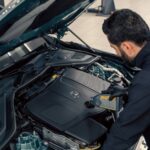
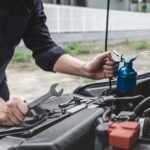
Under the Hood
Inspect:
- Engine oil
- Coolant
- Brake fluid
- Battery condition
- Belts and hoses
- Signs of leaks
Even if you are not mechanically experienced, obvious problems can often be identified during a visual inspection.
Review the Vehicle History Report
Never purchase a used vehicle without reviewing its history report.
A quality report should include:
- Previous ownership
- Accident history
- Flood damage
- Title status
- Odometer readings
- Service records
Avoid vehicles with salvage titles unless you fully understand the risks involved.
Take a Thorough Test Drive
The test drive is essential when learning how to buy a used car from a dealer.
Drive the vehicle in different conditions:
- City streets
- Highways
- Parking lots
Pay attention to:
- Engine performance
- Brake responsiveness
- Steering feel
- Transmission shifting
- Suspension comfort
- Strange noises
- Dashboard warning lights
Drive for at least 20–30 minutes if possible.
Know What to Check Before Buying a Used Car From a Dealer
Many buyers focus only on appearance, but there are several mechanical and financial factors to evaluate.
Here’s what to check before buying a used car from a dealer:
- Vehicle history report
- Service records
- Tire condition
- Brake wear
- Fluid leaks
- Engine performance
- Suspension
- Air conditioning
- Electronics
- Title status
- Warranty coverage
If you’re unsure, consider paying an independent mechanic for a pre-purchase inspection. The small cost could save thousands later.
Ask the Right Questions
Experienced buyers never hesitate to gather information before signing paperwork.
Important questions to ask when buying a used car include:
- Why was the vehicle traded in?
- Has it been involved in any accidents?
- Can I see the maintenance records?
- Has it passed a full inspection?
- Is there any remaining factory warranty?
- What warranty does the dealership provide?
- Are there additional dealer fees?
- Can I have an independent inspection?
- Is the price negotiable?
Clear answers help you understand the vehicle’s condition and the total cost of ownership.
Understand Certified Pre-Owned vs Used Car
Many dealerships sell both regular used vehicles and certified pre-owned models . Understanding certified pre-owned vs used car options can help you decide which fits your needs.
Certified pre-owned vehicles typically include:
- Manufacturer inspection
- Limited warranty
- Roadside assistance
- Higher quality standards
- Lower mileage
Standard used vehicles are generally less expensive but may not include these additional benefits. If your budget allows, certified pre-owned vehicles often provide greater peace of mind.
Learn How to Finance a Used Car From a Dealer
Many dealerships offer financing through banks, credit unions, or manufacturer finance companies. When learning how to finance a used car from a dealer, compare multiple loan offers before agreeing to dealership financing.
Pay attention to:
- Interest rate (APR)
- Loan term
- Monthly payment
- Down payment
- Total loan cost
- Prepayment penalties
Getting pre-approved before visiting the dealership can strengthen your negotiating position.
Negotiate the Purchase Price
Many buyers assume dealership prices are fixed, but there is often room for negotiation.
To negotiate the used car price at the dealership effectively:
- Research the market value.
- Compare similar listings.
- Point out cosmetic or mechanical issues.
- Stay polite and professional.
- Be prepared to walk away.
Avoid focusing only on monthly payments Instead, negotiate the total purchase price first.
Review the Contract Carefully
Before signing any documents, read every page carefully.
Verify:
- Purchase price
- Taxes
- Registration fees
- Dealer documentation fees
- Warranty details
- Financing terms
- Optional add-ons
Don’t feel pressured to purchase products such as paint protection or extended warranties unless they provide genuine value.
Avoid Common Mistakes
Many buyers make avoidable errors during the purchasing process.
Common mistakes include:
- Shopping without a budget
- Skipping the vehicle history report
- Not taking a proper test drive
- Ignoring warning lights
- Accepting the first offer
- Financing without comparing rates
- Overlooking dealer fees
- Rushing paperwork
Taking your time can save both money and frustration.
Final Buying Checklist
Before driving away, make sure you have:
- Vehicle title or ownership documents
- Bill of sale
- Warranty paperwork
- Financing agreement
- Insurance coverage
- Spare key
- Owner’s manual
- Vehicle inspection records
Keeping these documents organized makes future ownership much easier.
Conclusion
Understanding how to buy a used car from a dealer helps you avoid expensive mistakes and choose a vehicle that fits your needs and budget. Careful research, a detailed inspection, a thorough test drive, and smart negotiation can make the buying process much smoother. Whether you choose a standard used vehicle or a certified pre-owned model, taking your time and asking the right questions will help you purchase with confidence. A well-informed buyer is far more likely to drive away with a reliable vehicle and a fair deal.
Frequently Asked Questions
Is buying a used car from a dealer safer than buying from a private seller?
In many cases, yes. Dealerships often inspect their vehicles, provide history vehicle reports, and may include warranties or return policies that private sellers typically do not offer. Negotiate the price at a used car dealership? Yes. Many dealerships expect some negotiation. Research the market value beforehand and negotiate the total vehicle price rather than focusing only on monthly payments.
Should I get a pre-purchase inspection?
Absolutely. Even if the dealership has inspected the vehicle, an independent mechanic can identify hidden issues before you commit to the purchase.
Is financing through a dealership a good option?
It can be, but it’s wise to compare offers from banks and credit unions first. Having pre-approved financing gives you more negotiating power.
What documents should I receive after buying a used car?
You should receive the bill of sale, title or ownership documents (depending on your state’s process), financing paperwork if applicable, warranty information, and any available maintenance records.
Are certified pre-owned cars worth the extra cost?
For many buyers, yes. Certified pre-owned vehicles usually undergo thorough inspections and include limited warranties, making them a good option for those seeking additional peace of mind.
