


























Why Does a Car Engine Overheat?
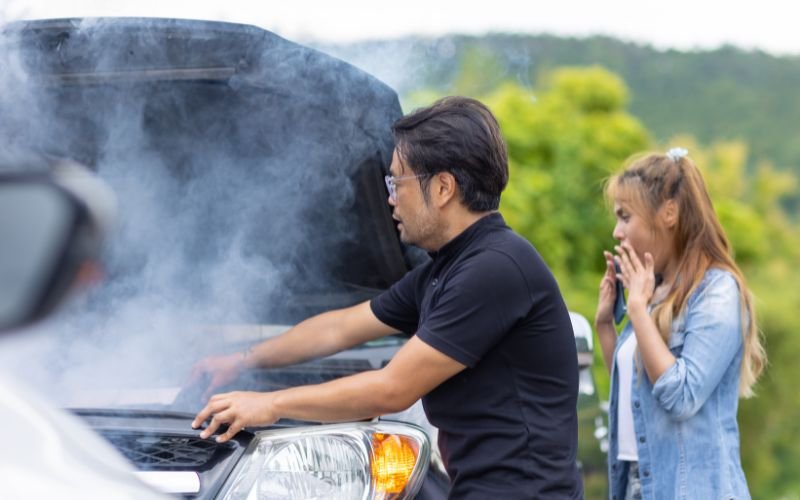
A car engine overheats when it cannot control heat properly. Your engine creates a lot of heat while running, and the cooling system keeps that heat under control.The cooling system uses coolant, the radiator, the water pump, the thermostat, the radiator fan, hoses, and other parts to move heat away from the engine. When one of these parts stops working, the engine temperature can rise quickly.Many drivers notice the problem when the temperature gauge moves toward the red zone. Others may see steam coming from under the hood, smell burning coolant, or get an overheating warning light on the dashboard.Ignoring engine overheating is risky. A hot engine can damage the head gasket, pistons, cylinder head, radiator, and other expensive parts. In severe cases, the engine may fail completely.That is why understanding common car engine overheating causes can help you act early and avoid costly repairs.
9 Common Car Engine Overheating Causes
1. Low Coolant Level
Low coolant is one of the most common reasons a car engine overheats. Coolant helps absorb heat from the engine and carries it to the radiator.If the coolant level is too low, the cooling system cannot move enough heat away from the engine. This causes the engine temperature to rise, especially during long drives, hot weather, or heavy traffic.Low coolant may happen because of poor maintenance, evaporation over time, or a coolant leak. You may notice a sweet smell, wet spots under the car, or a low coolant warning.Never open the radiator cap when the engine is hot. Hot coolant can spray out and cause serious burns. Let the engine cool first, then check the coolant reservoir.
2. Coolant Leak
A coolant leak can quickly lead to engine overheating. Leaks may happen in the radiator, hoses, water pump, heater core, coolant reservoir, or around the head gasket.Small leaks can be hard to notice at first. You may only see the coolant level dropping again and again. Larger leaks may leave green, orange, pink, or yellow fluid under the vehicle.
Common signs of a coolant leak include:
- Sweet smell from the engine bay
- Wet patches under the car
- Low coolant level
- Engine temperature rising
- White smoke from the exhaust in serious cases
If your car keeps losing coolant, do not just keep topping it up. The leak needs to be found and repaired.
3. Faulty Thermostat
The thermostat controls coolant flow between the engine and radiator. When the engine is cold, it stays closed so the engine warms up faster. When the engine gets hot, it opens and allows coolant to flow.If the thermostat gets stuck closed, coolant cannot move properly through the radiator. This can cause sudden engine overheating.A bad thermostat may also cause the temperature gauge to rise and fall strangely. In some cases, the heater inside the car may stop blowing warm air.A faulty thermostat is usually not the most expensive part, but ignoring it can lead to much bigger engine damage.
4. Radiator Problems
The radiator removes heat from the coolant before it goes back into the engine. If the radiator is blocked, leaking, corroded, or damaged, it cannot cool the engine properly.Radiator problems are common in older cars or cars that have not had regular coolant changes. Dirt, rust, and sludge can build up inside the cooling system and reduce coolant flow.
Signs of radiator trouble include:
- Engine overheating at highway speed
- Coolant is leaking near the front of the car
- Rusty or dirty coolant
- Steam from the radiator area
- The temperature gauge rises during long drives
A radiator flush may help if the system is dirty. But if the radiator is cracked or badly blocked, replacement may be needed.
5. Bad Water Pump
The water pump moves coolant through the engine, radiator, and hoses. If the water pump fails, coolant cannot circulate correctly. This causes the engine to overheat.A failing water pump may make a whining noise, leak coolant, or cause the engine temperature to rise quickly. In many cars, the water pump is connected to the timing belt or serpentine belt.
Common signs of water pump failure include:
- Coolant leak near the front of the engine
- Grinding or whining noise
- Engine overheating
- Steam from under the hood
- Loose or damaged belt
A bad water pump should be repaired quickly because the engine can overheat in a short time.
6. Broken Radiator Fan
The radiator fan helps cool the radiator when the car is moving slowly or sitting in traffic. When the fan does not work, the engine may overheat at idle but cool down when driving at higher speeds.This is because air naturally flows through the radiator when the car is moving. But at a stop, the fan is needed to pull air through the radiator.A broken radiator fan can be caused by a bad fan motor, relay, fuse, wiring issue, or temperature sensor.If your car overheats in traffic but runs cooler on the highway, the radiator fan should be checked.
7. Damaged or Collapsed Hoses
Coolant hoses carry coolant between the engine, radiator, and heater core. Over time, hoses can become weak, cracked, soft, swollen, or loose.A damaged hose can leak coolant. A collapsed hose can block coolant flow. Both problems can cause engine overheating.You may notice cracks, bulges, or coolant stains around the hoses. Sometimes the hose looks fine from the outside, but becomes weak inside.Cooling system hoses should be checked during regular car maintenance, especially on older vehicles.
8. Blown Head Gasket
A blown head gasket is one of the more serious causes of car engine overheating. The head gasket seals the area between the engine block and cylinder head.When it fails, coolant can mix with engine oil or enter the combustion chamber. This can cause overheating, white smoke from the exhaust, rough running, and loss of coolant.
Signs of a blown head gasket may include:
- White smoke from the exhaust
- Milky oil under the oil cap
- Bubbles in the coolant reservoir
- Constant coolant loss
- Engine overheating again after refilling coolant
This repair can be expensive because it requires major engine work. If you suspect a blown head gasket, stop driving and have the car inspected.
9. Old or Wrong Coolant
Coolant does more than just control temperature. It also helps prevent rust, corrosion, and freezing inside the cooling system.Old coolant loses its protection over time. Wrong coolant can also cause problems if it reacts badly with the system or creates buildup.Using the wrong coolant type may damage seals, clog the radiator, or reduce cooling performance. Always use the coolant type recommended in your owner’s manual.If the coolant looks rusty, dirty, oily, or muddy, the cooling system may need a flush and inspection.
Warning Signs Your Engine Is Overheating
Engine overheating does not always happen suddenly. Many cars show warning signs before the problem becomes serious.
Watch for these signs:
- The temperature gauge is moving toward hot
- Red overheating warning light
- Steam from under the hood
- Burning smell from the engine
- Sweet coolant smell
- The heater is not working properly
- Coolant is leaking under the car
- Engine losing power
- Strange ticking or knocking sound
If you notice any of these signs, take action quickly. Continuing to drive can turn a small cooling system problem into serious engine damage.
Is It Safe to Drive When Your Car Is Overheating?
No, it is not safe to keep driving when your car is overheating. A hot engine can suffer major damage in a short time.If the temperature gauge is slightly high, you may have a small amount of time to pull over safely. But if the gauge is in the red zone, steam is coming out, or the warning light is on, you should stop as soon as it is safe.
Driving with an overheating engine can cause:
- Blown head gasket
- Warped cylinder head
- Damaged pistons
- Cracked radiator
- Engine oil breakdown
- Complete engine failure
If you are on a highway, turn on your hazard lights and move to a safe place. Do not open the hood immediately if there is steam. Wait until the engine cools down.
What to Do If Your Engine Temperature Starts Rising
If your engine temperature starts rising while driving, stay calm and act carefully.First, turn off the air conditioning. The AC adds extra load to the engine. Then turn the heater on full hot. This may feel uncomfortable, but it can help pull heat away from the engine for a short time.Next, pull over safely. Put the car in park, turn off the engine, and let it cool. Do not open the radiator cap while the engine is hot.After the engine cools, check the coolant reservoir. If the coolant is low and you have the correct coolant, you may top it up carefully. If you do not have coolant, water may be used only as a short-term emergency option.
Do not continue driving if:
- Coolant is leaking badly
- Steam keeps coming out
- The temperature rises again quickly
- The engine makes knocking sounds
- The warning light stays on
- Oil looks milky
- You suspect a blown head gasket
In these cases, it is safer to call roadside assistance or a mechanic.
How to Prevent Car Engine Overheating
The best way to avoid overheating is regular maintenance. Most cooling system problems start small before they become expensive.
Here are simple prevention tips:
- Check coolant level regularly
- Use the correct coolant type
- Replace old coolant on schedule
- Inspect radiator hoses
- Fix small leaks early
- Check the radiator fan
- Watch the temperature gauge
- Do not ignore warning lights
- Service the cooling system before summer
- Follow your owner’s manual
A few minutes of maintenance can save you from major engine repair later.
Conclusion
Car engine overheating can happen for many reasons, including low coolant, coolant leaks, radiator problems, thermostat failure, water pump issues, broken fans, damaged hoses, old coolant, or a blown head gasket.The most important thing is to act early. If your temperature gauge rises or you see steam from under the hood, do not keep driving. Stop safely, let the engine cool, and check for obvious problems.Understanding common car engine overheating causes helps you protect your car, avoid expensive repairs, and stay safer on the road.
FAQs
What is the most common cause of car engine overheating?
The most common cause of car engine overheating is low coolant. Without enough coolant, the engine cannot release heat properly. Low coolant is often caused by leaks, poor maintenance, or a problem in the cooling system.
Can low coolant cause a car engine to overheat?
Yes, low coolant can cause a car engine to overheat quickly. Coolant carries heat away from the engine. If the coolant level is low, the engine temperature can rise, especially in traffic or hot weather.
Why does my car overheat while driving but not at idle?
If your car overheats while driving but not at idle, the problem may be a clogged radiator, a bad thermostat, a weak water pump, restricted coolant flow, or low coolant. A mechanic should inspect the cooling system to find the exact cause.
Can I drive my car if the engine is overheating?
No, you should not keep driving if the engine is overheating. Driving with a hot engine can cause serious damage, including a blown head gasket or complete engine failure. Pull over safely and let the engine cool.
How much does it cost to fix an overheating engine?
The cost depends on the cause. A coolant refill or thermostat replacement may be affordable. At the same time, radiator, water pump, or head gasket repairs can cost much more. The sooner you fix the problem, the lower the risk of expensive engine damage.
