


























Transmission problems can start quietly. At first, your car may hesitate for a second, rev higher than normal, or feel slow when changing gears. Many drivers ignore these early signs because the vehicle still moves. But these small changes can point to a bigger issue inside the transmission.Knowing the common transmission slipping symptoms can help you act before the problem gets worse. A slipping transmission means your car is not transferring engine power to the wheels properly. This can affect acceleration, fuel use, driving safety, and repair costs.In this guide, you will learn what transmission slipping feels like, the 7 warning signs to watch for, what causes it, whether it is safe to keep driving, and what you should do next.
What Does Transmission Slipping Feel Like?
Transmission slipping often feels like your car is losing power, even when the engine is running. You may press the gas pedal, but the vehicle does not speed up as expected. The engine may rev loudly, yet the car feels delayed or weak.In an automatic transmission, slipping can feel like rough gear changes, delayed shifting, or sudden jumps between gears. In a manual transmission, it may feel like the clutch is not fully engaging, especially when accelerating or climbing hills.
Some drivers describe it as:
- The engine revs, but the car does not move faster.
- The car hesitates before changing gears.
- The vehicle feels like it briefly loses connection with the road.
- The gear change feels soft, delayed, or jerky.
- The issue may happen only once in a while at first. Over time, it can become more frequent and easier to notice.
7 Transmission Slipping Symptoms You Should Not Ignore
Transmission slipping can show up in different ways depending on your vehicle, transmission type, and the condition of the parts inside. Here are the most common signs.
Engine Revs, but the Car Does Not Accelerate Properly
One of the clearest transmission slipping symptoms is high engine RPM without normal acceleration. You may press the gas pedal and hear the engine working harder, but the car moves slowly.This happens because the transmission is not sending power to the wheels correctly. It may feel worse when joining a highway, overtaking another vehicle, or driving uphill.If this keeps happening, avoid hard acceleration. The extra heat and pressure can make the transmission damage worse.
Delayed Gear Engagement
A healthy transmission should respond quickly when you shift into drive or reverse. If there is a delay before the car starts moving, it may be a warning sign.You may shift from park to drive, press the gas, and feel a pause before the vehicle reacts. This delay can happen because of low fluid, worn clutch parts, pressure problems, or internal wear.Delayed engagement is easy to ignore at first, but it should not be treated as normal.
Rough or Jerky Gear Changes
A slipping transmission may shift with a bump, jerk, or clunk. The gear change may feel harsh instead of smooth.This can happen when the transmission struggles to hold the right gear. You may notice the car lurching forward during shifting or feeling unstable at low speeds.Rough shifting does not always mean the transmission is failing, but it does mean the system needs attention.
Burning Smell While Driving
A burning smell is a serious warning sign. It may come from overheated transmission fluid. Transmission fluid helps cool and lubricate the parts inside the transmission. When it gets too hot or too cold, friction increases.Overheated fluid can lose its ability to protect the transmission. This may lead to faster wear and expensive damage.If you smell burning while driving, stop safely and let the car cool down. Do not continue driving hard.
Transmission Warning Light or Check Engine Light
Many modern cars can detect transmission problems through sensors. If the transmission warning light or check engine light comes on, the vehicle may have stored a fault code.The light does not always mean the transmission is slipping, but it should be checked. A scan tool can help identify whether the issue is related to shift timing, fluid pressure, solenoids, or another part.Ignoring dashboard warning lights can turn a simple repair into a much larger problem.
Strange Noises During Gear Changes
Grinding, whining, humming, or clunking sounds can point to transmission trouble. These sounds may happen while shifting, accelerating, or slowing down.A whining sound may suggest fluid or pump problems. A clunk may suggest rough engagement. Grinding can be more serious, especially in manual transmissions.Any new sound from the transmission area should be checked quickly.
Car Slips Out of Gear
If your car slips out of gear while driving, this is a serious problem. It may feel like the vehicle suddenly loses power or changes gear without your input.This can be dangerous because the car may not respond when you need power. It can happen at low speeds, during acceleration, or while driving on the highway.If this happens, avoid driving the car until it has been inspected.
What Causes a Transmission to Slip?
Transmission slipping can happen for several reasons. Some are simple, while others require major repair.
Low Transmission Fluid
Low fluid is one of the most common causes. Transmission fluid creates hydraulic pressure, cools the system, and helps gears shift properly. If the fluid level is low, the transmission may not work correctly.Low fluid can happen because of a leak. You may notice red or brown fluid under the car. If the fluid is low, topping it up may help, but the leak still needs to be fixed.
Old or Dirty Transmission Fluid
Transmission fluid breaks down over time. Old fluid may become dark, thick, or burnt. Dirty fluid can affect shifting and reduce protection inside the transmission.Regular fluid checks and service can help prevent slipping caused by poor fluid condition.
Worn Clutch Parts
Both automatic and manual transmissions use clutch components. In an automatic transmission, internal clutch packs help control gear engagement. In a manual car, the clutch disc connects the engine and transmission.When these parts wear out, the transmission may slip under load.
Faulty Solenoids
Automatic transmissions use solenoids to control fluid flow. If a solenoid fails, the transmission may not shift at the right time or may not hold a gear properly.A scan tool can often help find solenoid-related problems.
Torque Converter Problems
The torque converter helps transfer power from the engine to the automatic transmission. If it fails, the car may shudder, slip, overheat, or struggle to accelerate.Torque converter issues should be inspected by a qualified mechanic.
Internal Transmission Wear
Over time, gears, bands, seals, and other internal parts can wear out. This is more common in high-mileage cars or vehicles that have not had regular maintenance.Internal wear may require repair, rebuilding, or replacement.
Is It Safe to Drive With a Slipping Transmission?
It is not a good idea to keep driving with a slipping transmission. If the slipping is mild and happens once, you may be able to drive carefully to a nearby repair shop. But if the car is losing power, slipping out of gear, overheating, or making harsh noises, you should stop driving.
A slipping transmission can get worse quickly. It can also put you at risk when merging, turning, overtaking, or driving in traffic.
- You should avoid driving if:
- The car will not accelerate normally.
- The transmission slips out of gear.
- You smell burning fluid.
- The warning light is on, and the car feels weak.
- The vehicle jerks hard during shifting.
- The safest step is to have the vehicle inspected as soon as possible.
- What to Do Next If Your Transmission Is Slipping
If you notice transmission slipping symptoms, do not ignore them. Early action can help reduce repair costs and prevent a breakdown.
Check the Transmission Fluid
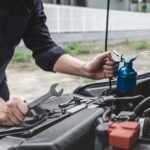
If your vehicle has a dipstick, check the transmission fluid level and color. Healthy fluid is usually red or pink and does not smell burnt. Dark, brown, or burnt-smelling fluid may show a problem.Some modern vehicles do not have an easy dipstick. In that case, let a mechanic check it.
Look for Leaks
Check under your car for fluid spots. Transmission fluid is often red, pink, or brown. A small leak can become a major issue if the fluid level drops too far.
Avoid Hard Driving
Do not tow heavy loads, accelerate hard, or drive long distances while the transmission is slipping. These actions can create more heat and damage.
Get a Diagnostic Scan
A professional scan can show fault codes related to the transmission. This helps find whether the issue is electrical, hydraulic, or mechanical.
Visit a Trusted Mechanic
Transmission issues need proper inspection. A mechanic can check the fluid, road test the car, inspect for leaks, and identify the real cause.Do not approve major repairs until you understand the diagnosis. In some cases, a fluid service or sensor repair may fix the issue. In other cases, the transmission may need deeper repair.
Final Thoughts
Transmission slipping is not something to ignore. The first signs may feel small, but they can quickly lead to poor performance, unsafe driving, and costly repairs.The most common transmission slipping symptoms include high RPM without acceleration, delayed gear engagement, rough shifting, burning smells, warning lights, strange noises, and slipping out of gear.If your car shows any of these signs, stop pushing it and get it checked. A quick inspection today may save you from a much larger repair later.
FAQs
What are the first signs of transmission slipping?
The first signs usually include high engine RPM, delayed acceleration, rough shifting, or a short pause before the car moves after shifting into drive or reverse. You may also notice the car feels weak when accelerating.
Can low transmission fluid cause transmission slipping?
Yes, low transmission fluid can cause transmission slipping. The transmission needs enough fluid to create pressure, cool the system, and shift gears properly. If the fluid is low, the transmission may slip, overheat, or shift poorly.
Is it safe to drive with a slipping transmission?
It is not safe to keep driving for long with a slipping transmission. If the car slips badly, loses power, smells burnt, or slips out of gear, stop driving and get it inspected. You may be able to drive carefully to a nearby mechanic if the issue is mild.
What does a slipping transmission feel like while driving?
A slipping transmission can feel like the engine is revving, but the car is not speeding up. It may also feel like delayed shifting, sudden jerks, weak acceleration, or the car briefly losing power while driving.
How much does it cost to fix transmission slipping?
The cost depends on the cause. A simple fluid service or leak repair may cost much less than internal transmission repair. If the transmission is badly worn, the repair can become expensive. The best first step is a proper diagnosis before replacing parts.
