


























Learning basic vehicle care can feel confusing when you are a new driver. You may hear terms like oil level, tire pressure, coolant, brake pads, and battery health, but not know where to start. The good news is that routine maintenance is not as difficult as it sounds. These car maintenance tips for beginners will help you protect your vehicle, drive more safely, and avoid unnecessary repair costs.
Why Car Maintenance Matters
A car depends on many connected systems. The engine needs clean oil, tires need correct pressure, brakes need reliable parts, and the battery must hold enough charge. When one area is ignored, it can create problems elsewhere. Low oil can increase engine wear, while underinflated tires can reduce fuel economy and affect handling.The best place to begin is your owner’s manual. It gives the correct oil type, tire pressure, fluid recommendations, and service schedule for your specific vehicle. Instead of guessing, follow the manufacturer’s guidance and keep a simple service record.
Check Engine Oil
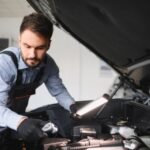
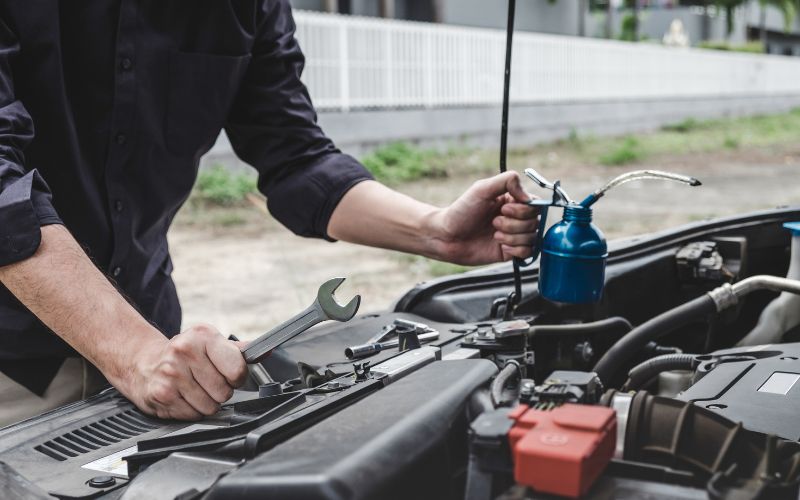
Engine oil lubricates moving parts, reduces heat, and protects the engine from wear. To check it, park on level ground, turn the engine off, and wait a few minutes. Pull out the dipstick, wipe it clean, insert it again, and read the level. The oil should be between the minimum and maximum marks.Also, look at the oil condition. Dark oil can be normal over time, but thick, gritty, or milky oil may signal a problem. Oil change intervals depend on your vehicle, driving style, climate, and mileage.
Keep Tires Properly Inflated
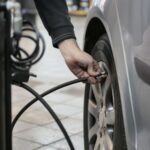
Tires affect braking, steering, comfort, and fuel efficiency. Check tire pressure at least once a month and before long drives. Use the PSI listed on the driver-side door sticker or owner’s manual, not the maximum number on the tire sidewall.Look for uneven tread wear, cracks, bulges, nails, or low tread depth. Uneven wear may mean the car needs wheel alignment or tire rotation. If your steering wheel shakes or the car pulls to one side, have it checked.
Pay Attention to Warning Lights
Dashboard lights are early warning signs. Some lights remind you about service, while others indicate urgent problems. A check engine light, brake warning, battery light, oil pressure light, or temperature warning should not be ignored.If the oil pressure or temperature warning light comes on, stop safely as soon as possible. Continuing to drive may cause serious engine damage. For less urgent lights, check the manual and schedule an inspection.
Inspect Lights, Leaks, and Sounds
One of the easiest habits is a weekly walk-around inspection. Check headlights, brake lights, turn signals, reverse lights, mirrors, and windshield condition. Look under the vehicle for fluid leaks. Clear water from the air conditioning is usually normal, but oil, coolant, brake fluid, or transmission fluid should be inspected.Also, notice new sounds or smells. Squealing brakes, grinding noises, burning smells, slow starting, or vibration can be early signs of trouble. Acting early is usually cheaper than waiting for a breakdown.
Maintain Essential Fluids
Your car uses several fluids to operate safely. Coolant helps control engine temperature. Brake fluid supports braking. Transmission fluid helps the gearbox shift smoothly. Windshield washer fluid improves visibility. Some vehicles also use power steering fluid.Always use the correct fluid type. Never open a hot radiator cap because pressurized coolant can cause burns. If a fluid level keeps dropping, there may be a leak that needs professional attention.
Look After the Battery
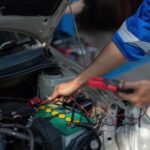
A weak battery can leave you stranded. Common signs include slow engine cranking, dim lights, clicking sounds when starting, or electrical problems. Battery life depends on age, weather, driving habits, and charging conditions.Check the battery terminals for corrosion. White or green buildup can affect the connection. A mechanic or auto parts store can usually test battery health. If your battery is older than three years, test it before long trips.
Replace Wipers and Filters
Wiper blades are important for visibility. Replace them if they streak, skip, squeak, or leave cloudy patches on the glass. Keep washer fluid filled, especially before rainy or dusty driving conditions.Air filters also need attention. The engine air filter prevents dirt from entering the engine, while the cabin air filter helps clean the air inside the vehicle. A dirty cabin filter may cause weak airflow or bad odors.
Take Brake Problems Seriously
Brakes should always feel responsive and predictable. Warning signs include squeaking, grinding, vibration, a soft brake pedal, longer stopping distance, or pulling to one side while braking. Do not delay brake repairs, because worn brake pads can damage rotors and increase costs.Drivers in city traffic, hilly areas, or stop-and-go routes may wear brakes faster. Regular inspections help keep the braking system safe.
Keep the Car Clean
Cleaning your car protects more than its appearance. Dirt, salt, bird droppings, tree sap, and brake dust can damage paint and metal surfaces. Wash the vehicle regularly, clean the windshield and mirrors, and remove debris from the interior.A clean car is also easier to inspect because leaks, scratches, and tire damage become more visible.
Follow a Simple Schedule
The most effective car maintenance tips for beginners are the ones you can repeat. Create reminders for oil changes, tire rotations, brake checks, filter replacements, battery tests, and major services. Keep receipts and service records in one place.A good maintenance history helps mechanics diagnose problems faster. It can also improve resale value because buyers prefer vehicles with documented care.
Conclusion
Basic car care does not require expert mechanical knowledge. By checking oil, tires, fluids, lights, brakes, battery condition, filters, and warning signs, you can reduce breakdowns and make your vehicle safer to drive. These car maintenance tips for beginners give you a practical starting point, but your owner’s manual and a trusted technician should guide specific service decisions. A little attention today can prevent expensive repairs tomorrow.
FAQs
How often should a beginner check a car?
Check tire pressure, oil level, lights, and visible leaks once a month. Before a long trip, also check wipers, washer fluid, coolant level, and tire condition.
What is the most important maintenance task?
Oil changes, tire pressure checks, and brake inspections are among the most important because they affect engine life, safety, and driving performance.
Can I maintain my car without experience?
Yes. Beginners can check tires, lights, wipers, washer fluid, and oil level. For brake problems, leaks, warning lights, or engine issues, use a qualified mechanic.
What basic tools should new drivers keep in their car?
New drivers should keep a tire pressure gauge, jumper cables, flashlight, basic first-aid kit, owner’s manual, microfiber cloth, phone charger, and emergency warning triangle. These simple items can help during minor problems or roadside situations.
How do I know when my car needs professional maintenance?
Your car may need professional maintenance if you notice warning lights, strange noises, fluid leaks, vibration, burning smells, poor braking, overheating, or difficulty starting. Beginners should not ignore these signs because small problems can become expensive repairs.
